Winter Skin Relief Tips to Exfoliate Hydrate and Soothe Dry Itchy Skin

Winter skin has a way of making itself known. One week the air turns colder, the heat kicks on, and suddenly skin feels tight after a shower, flaky under moisturizer, and itchy right when trying to sleep.
The good news is that winter dryness is not a mystery. Cold outdoor air holds less moisture, indoor heat dries the air even more, and long hot showers can strip away the skin’s natural oils. When the skin barrier gets stressed, water escapes faster and irritants get in more easily. That is when the cycle begins: dryness, rough texture, itching, scratching, and more irritation.
A winter routine does not need to be complicated. The best approach is simple and steady: gently exfoliate the dry buildup, hydrate the skin with the right ingredients, then seal in that moisture before it evaporates. With a few product swaps and better application habits, skin can feel calmer, smoother, and more comfortable all season.
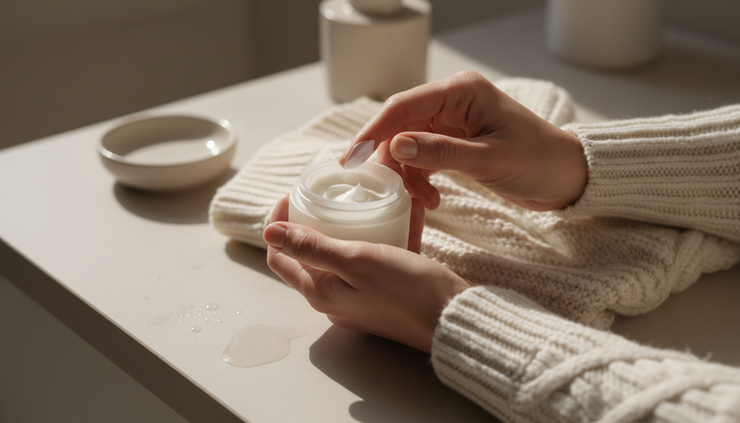
Why winter skin gets so dry and itchy
The outer layer of skin acts like a protective wall. Skin cells are the bricks, and lipids such as ceramides, fatty acids, and cholesterol are the mortar. When that wall is strong, it helps keep moisture in and everyday irritants out.
Winter can weaken that wall in several ways:
Low humidity
Cold air and heated indoor air pull water from the skin more quickly.
Hot showers
Hot water feels comforting, but it can remove protective oils and leave skin tighter afterward.
Harsh cleansers
Strong soaps and high-foam body washes can strip the skin barrier.
Scratchy fabrics
Wool, rough knits, and tight layers can rub against already dry skin.
Over-exfoliation
Scrubbing too hard or using strong acids too often can make itching worse.
Dry winter skin is common, but severe itching, cracking, bleeding, spreading rash, or signs of infection deserve medical attention. This article is for general information and is not a substitute for care from a dermatologist or health professional.
Exfoliation helps when it stays gentle
Exfoliation can be one of the most helpful winter skin steps, but only when done with care. The goal is not to scrub skin until it feels squeaky clean. The goal is to loosen and remove flaky dead skin cells so hydrating products can sit more evenly and work better.
When dry flakes build up, moisturizer may seem to “pill,” sit on top, or disappear without easing tightness. Gentle exfoliation smooths the surface and helps the skin feel softer. It can also make rough areas on elbows, knees, shins, and hands easier to moisturize.
Exfoliate less often than feels tempting
Dry skin can make people want to scrub away flakes every day. That often backfires. Too much exfoliation can damage the barrier and increase sensitivity.
For the face, once a week may be enough during winter. Some skin can handle twice a week, but red, tight, or stinging skin needs a break.
For the body, one to two times a week usually works well. Focus on areas that feel rough, not areas that are cracked, rashy, or burning.
A simple rule helps: if moisturizer stings after exfoliating, the skin is asking for less.

Hydration works best in layers
Hydration and moisture are related, but they are not exactly the same. Hydrating ingredients pull water into the skin. Moisturizing ingredients soften the skin and help reduce water loss. A strong winter routine usually uses both.
Think of it like dressing for cold weather. One thin layer may not be enough. A few smart layers work better.
Look for humectants first
Humectants attract water. In skin care, they help the outer layer feel plumper and less tight.
Good winter humectants include:
Aloe vera
A soothing hydrator that can feel cooling on tight, irritated skin.
Honey
Often used in masks and balms, honey helps draw in moisture and can leave skin feeling softer.
Shea butter
A rich plant butter that softens and cushions dry skin.
Jojoba oil
A lightweight oil that feels closer to the skin’s natural oils than many heavier oils.
Lotions can be enough for mild dryness, but creams and ointments usually work better in deep winter. If skin feels dry again an hour after applying lotion, switch to a richer cream or add an ointment on top in problem areas.
Choose products that calm instead of irritate
Winter skin often needs fewer extras, not more. Fragrance, strong actives, and harsh cleansers can make dry skin sting and itch.
For the face, choose a gentle cleanser that does not leave skin squeaky. Cream, milk, balm, and non-foaming cleansers are often better than high-foam gels in cold weather. If skin is very dry in the morning, rinsing with lukewarm water may be enough.
For the body, look for creamy body washes or fragrance-free cleansers. Traditional bar soap can work for some people, but many bars are too drying for winter skin.
Natural ingredients can be wonderful, but natural does not always mean gentle. Essential oils, citrus extracts, peppermint, and strong botanical fragrances can irritate dry or sensitive skin. Patch test new products on a small area for a day or two before using them widely.
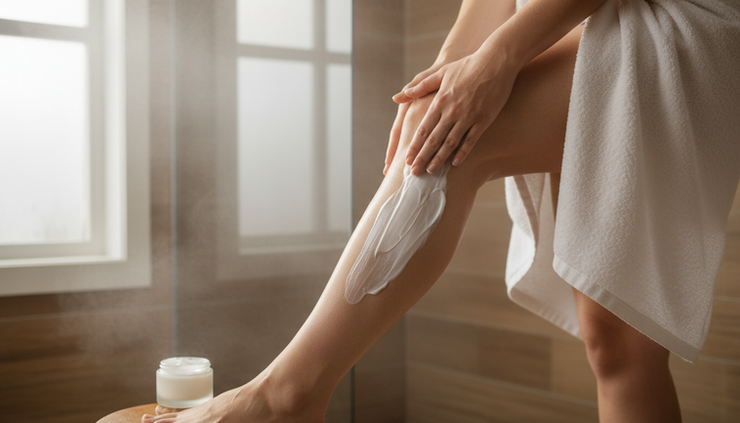
Application technique can change the results
Good products matter, but how they are used matters just as much. A moisturizer applied at the wrong time may not work as well as a basic cream applied with the right technique.
Moisturize within a few minutes of bathing
After a shower or bath, gently pat skin with a towel. Leave it slightly damp, then apply moisturizer right away. This helps trap water before it evaporates.
Use lukewarm water instead of hot water. Keep showers shorter when possible. If hot showers are a winter comfort, try turning the temperature down for the last minute to reduce dryness afterward.
Use enough product
Many people under-apply body moisturizer. A tiny amount spread over both legs will not give dry skin much help. Use a generous layer that glides easily. Skin should feel comfortable, not sticky, after a few minutes.
For hands, apply cream every time after washing. At night, use a richer layer and consider cotton gloves if the skin is cracked or very rough.
For lips, choose a balm with petrolatum, shea butter, lanolin if tolerated, or plant oils. Avoid licking the lips, since saliva worsens dryness as it evaporates.
Build a winter routine that is easy to repeat
The best skin care routine is one that can happen even on tired nights. Consistency beats a shelf full of products used once a month.
A simple weekly rhythm can look like this:
Time | Face | Body |
Morning | Rinse or gentle cleanse, moisturize, apply sunscreen | Apply cream to dry areas |
After shower | Moisturize damp skin | Use body cream generously |
Night | Gentle cleanse, hydrating serum, richer cream | Reapply to hands, feet, elbows, or itchy spots |
Once weekly | Gentle exfoliation if skin is calm | Exfoliate rough areas only |
Sunscreen still matters in winter. UV rays reach skin even when it is cold, and snow can reflect sunlight. A moisturizing sunscreen can make the morning routine easier.
If the air at home feels dry, a humidifier can help. Aim for comfortable indoor humidity, and clean the humidifier as directed so it stays fresh. Drinking water supports overall health, but moisturizers and barrier care do the direct work of reducing surface dryness.
Natural ingredients that soothe and nourish winter skin
Some of the most comforting winter skin ingredients are simple and familiar. They are not magic cures, but they can support a calmer, softer feel when used in well-made products.
Aloe vera offers lightweight hydration and a cooling feel. It works well under a cream, since aloe alone may not be rich enough for winter dryness.
Shea butter gives body creams and balms a cushioned texture. It helps rough areas feel smoother and more protected.
Jojoba oil is a good option for people who like oils but do not want a heavy finish. It can be blended into moisturizer or applied as a final step on damp skin.
Coconut oil can soften very dry body skin, but it may clog pores for some people, especially on the face or chest. Use it where it agrees with the skin.
Calendula appears in many soothing balms and creams. Choose fragrance-free formulas when possible, since added scent can still bother sensitive skin.
Honey can be nourishing in rinse-off masks or balms. Avoid sticky do-it-yourself mixes on broken or irritated skin.
Natural ingredients work best when paired with smart formulation. A cream that combines oatmeal, glycerin, and ceramides may do more than a plain oil used alone.

A simple winter skin relief plan
A calm winter routine can be as simple as this:
Use a gentle cleanser and lukewarm water.
Exfoliate once a week, only when skin is not irritated.
Apply hydrating products to damp skin.
Seal with a richer cream or ointment.
Choose fragrance-free formulas when skin feels sensitive.
Keep soothing ingredients like aloe, shea butter, and jojoba oil in the rotation.
Repeat the routine daily, especially after bathing and before bed.
The most effective Winter Skin Relief Tips to Exfoliate Hydrate and Soothe Dry Itchy Skin are not harsh or complicated. They respect the skin barrier. They remove flakes without causing damage. They add water, lock it in, and give irritated skin time to recover.
Winter skin care should feel steady, not stressful. Start with one change, such as moisturizing right after every shower or switching to a creamier cleanser. Add gentle exfoliation only when skin feels ready. With consistent care, dry, itchy skin can become softer, calmer, and much easier to live with all winter long.
Seek professional guidance if itching is intense, keeps returning, disrupts sleep, or comes with rash, swelling, oozing, pain, or open cracks. Conditions like eczema, psoriasis, allergies, and infections may need more specific care.


Comments